Design Your Ideal Workspace

Discover how thoughtful ergonomic planning and aesthetic choices can transform your home office into a space that supports both productivity and well-being. Explore principles that balance form and function.

Start Planning

Ergonomic Foundations

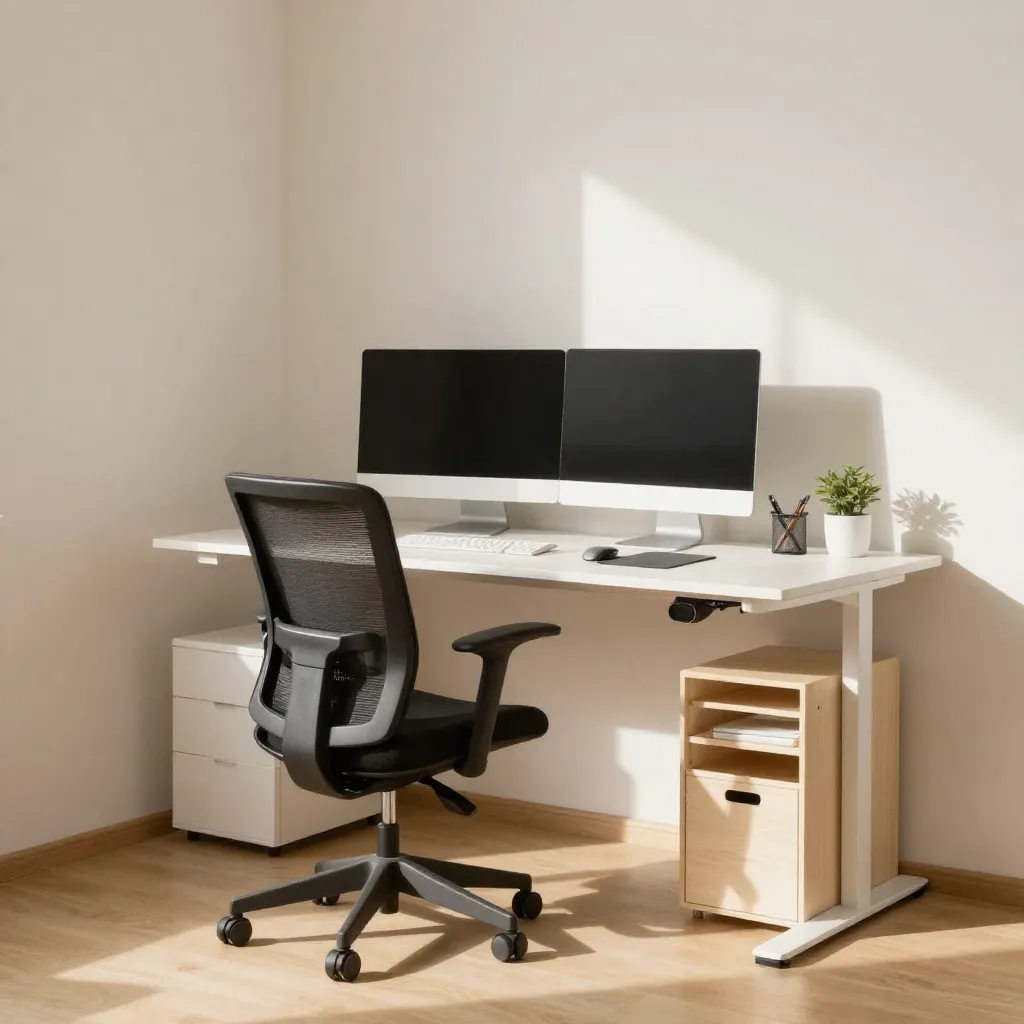
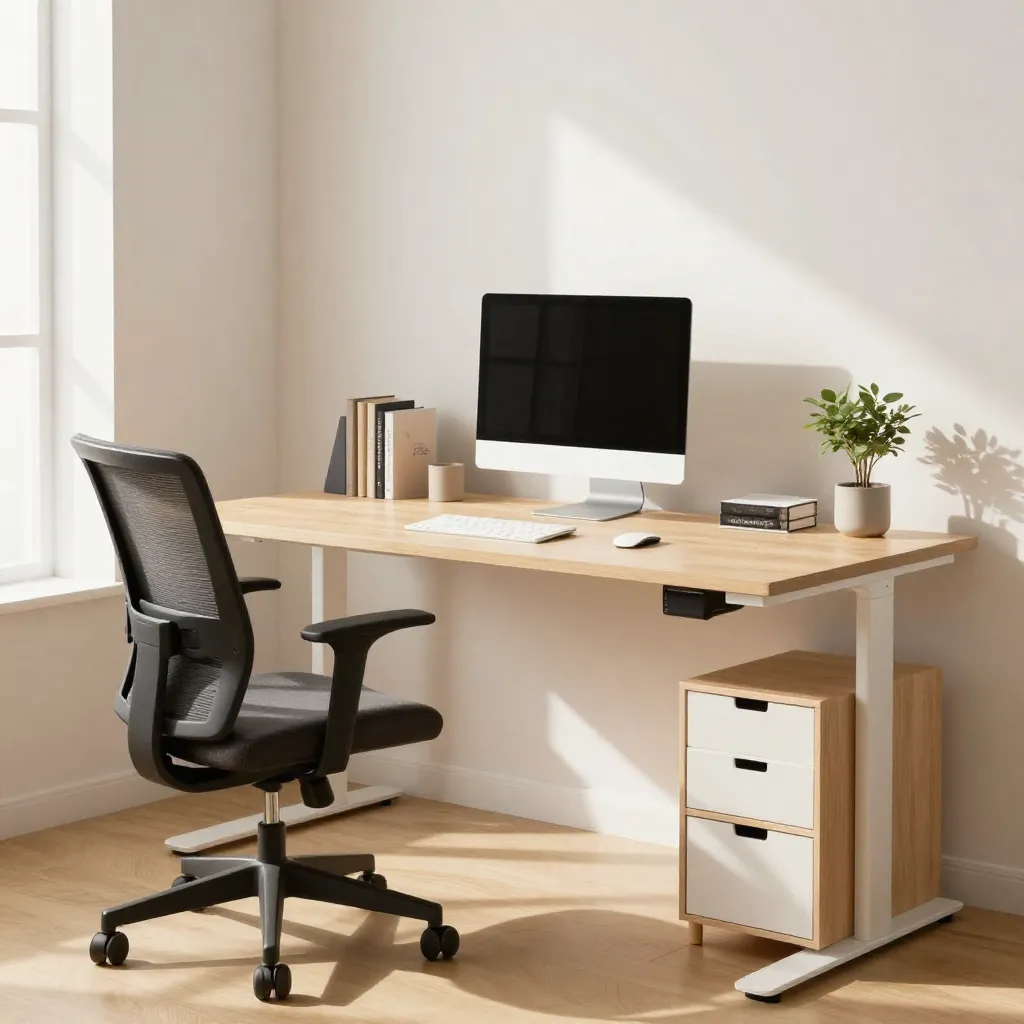
Sit-stand desk configuration

Posture Alignment

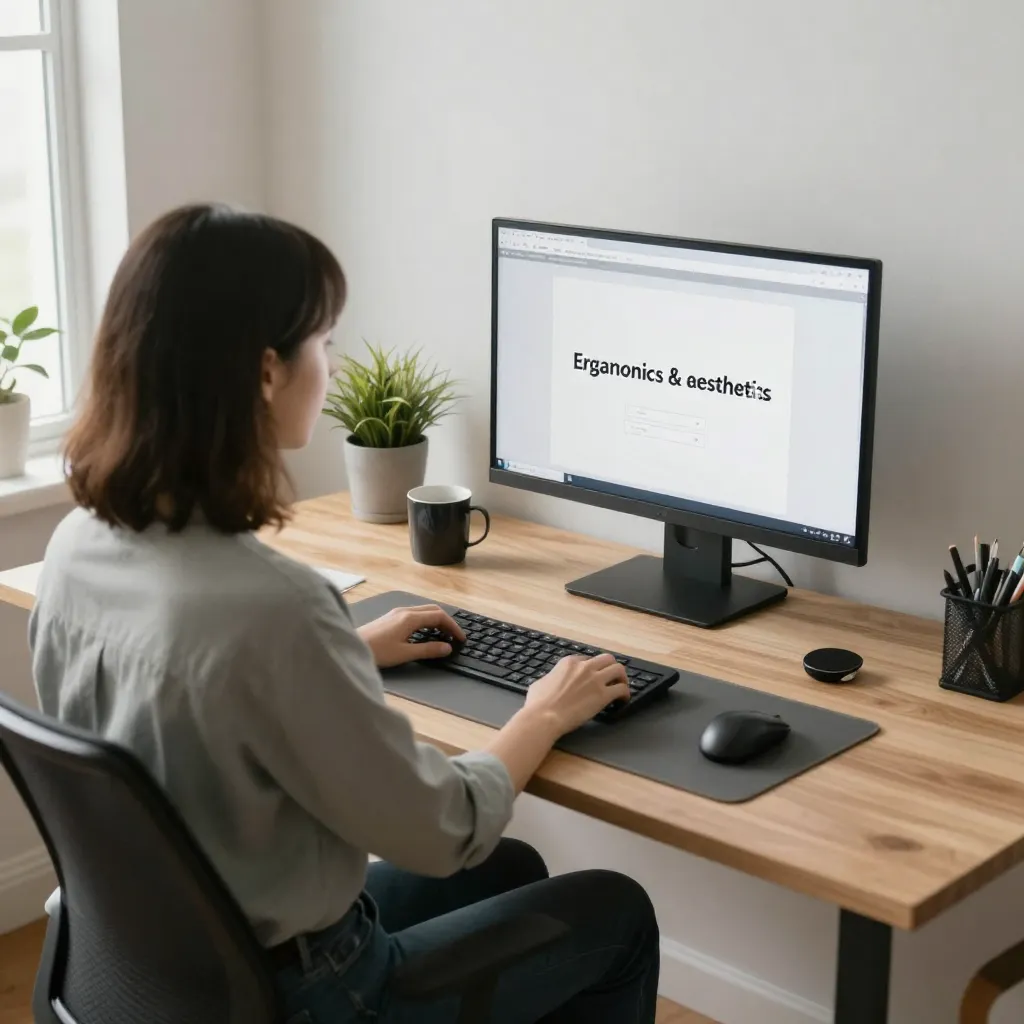
Understanding proper body positioning helps reduce physical strain during extended work sessions. Key alignment points include monitor height, chair adjustment, and keyboard placement.
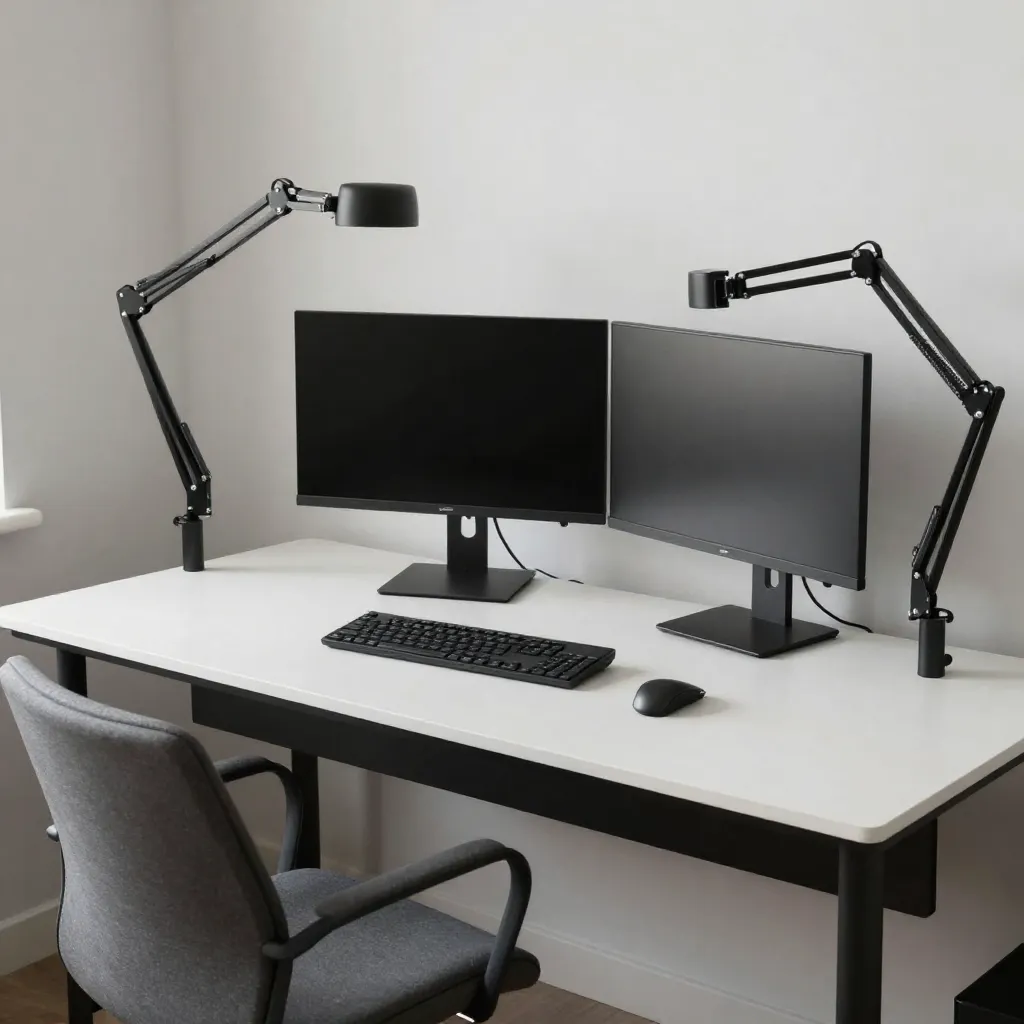
Modern home office layout

Movement Integration

Incorporating movement breaks and adjustable furniture supports natural body rhythms. Sit-stand options provide flexibility throughout the day.
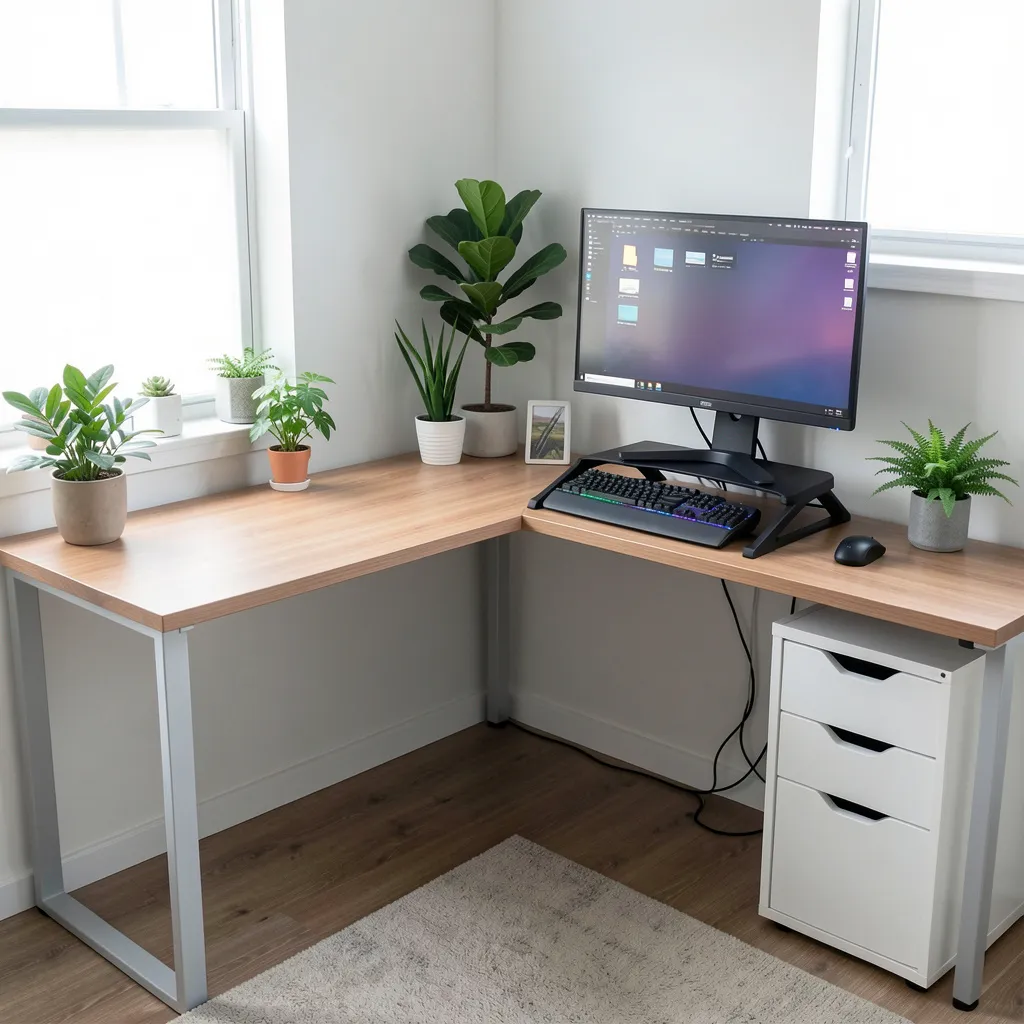
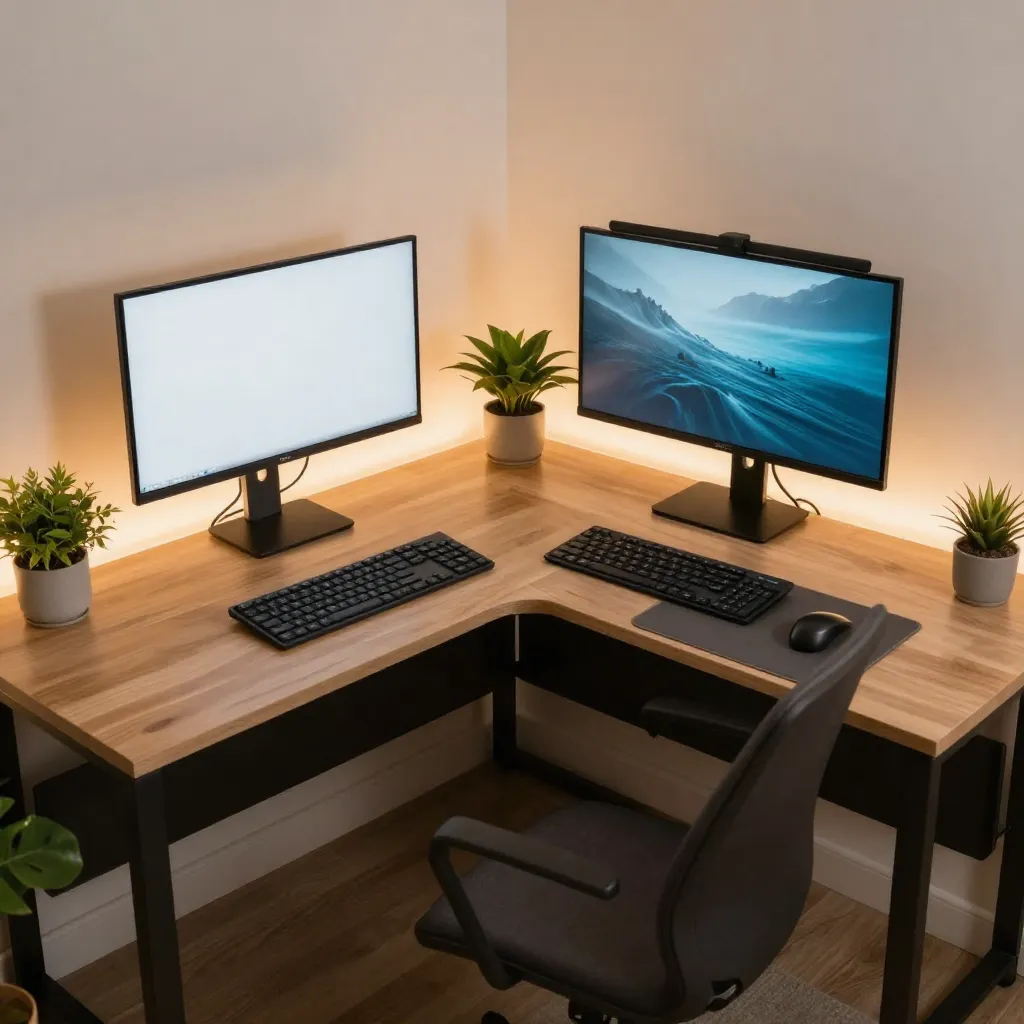
L-shaped desk optimization

Space Efficiency

Maximizing available space while maintaining comfort requires careful planning. L-shaped configurations and vertical storage solutions can optimize smaller areas.
Visual Harmony

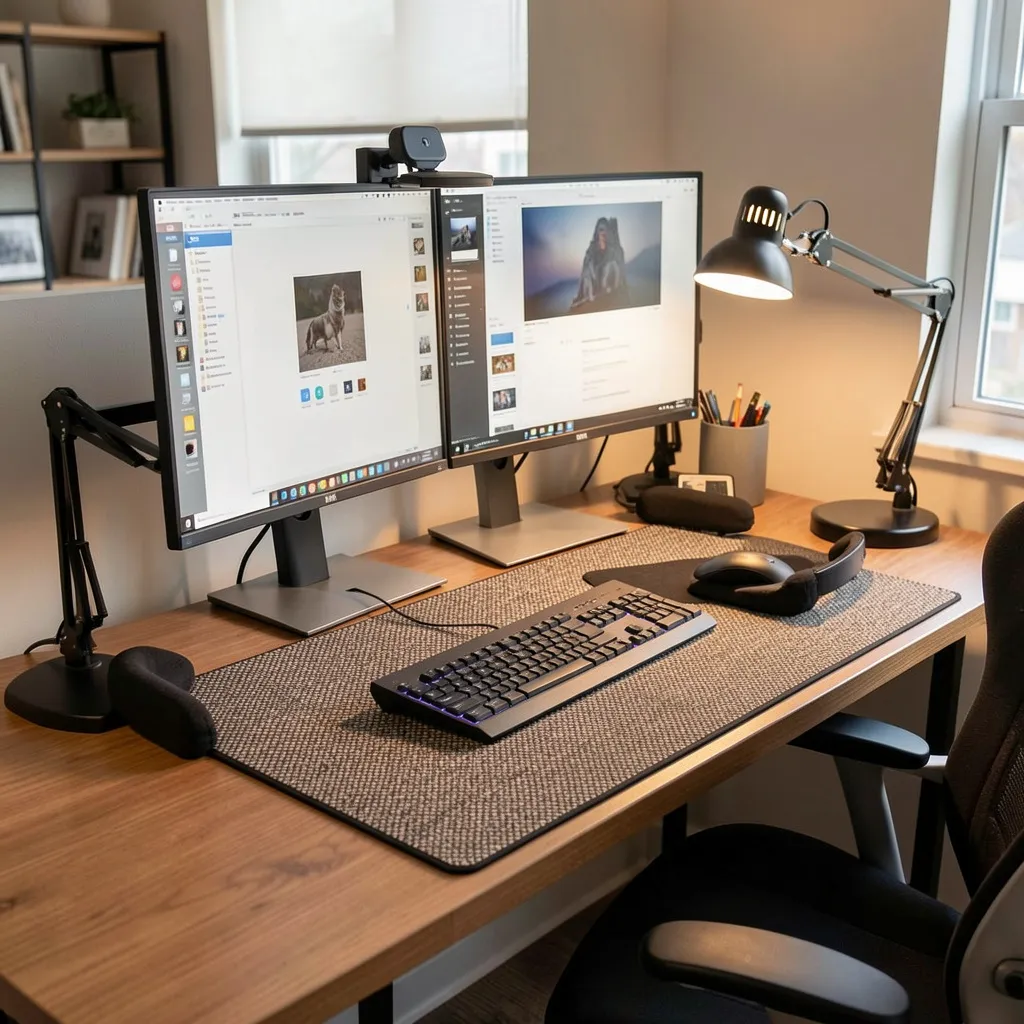
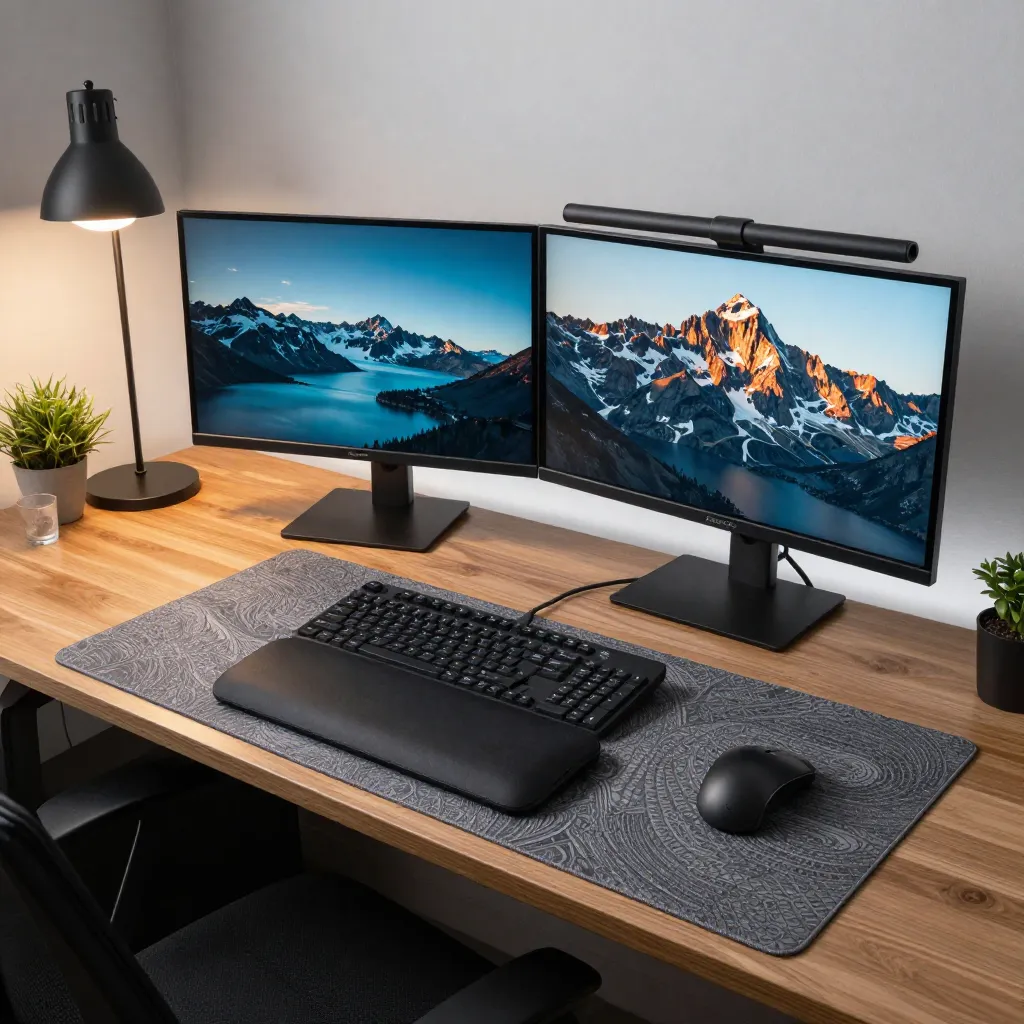
Productive dual monitor setup

Color Psychology

Thoughtful color selection can influence mood and focus. Neutral tones with strategic accent colors create environments that feel both calming and energizing.

Desk optimization for aesthetics

Material Selection

Choosing materials that appeal to touch and sight enhances the daily experience. Natural textures and quality finishes contribute to a sense of refinement.

Lighting Considerations

Bright minimalist workspace

Natural Light Integration

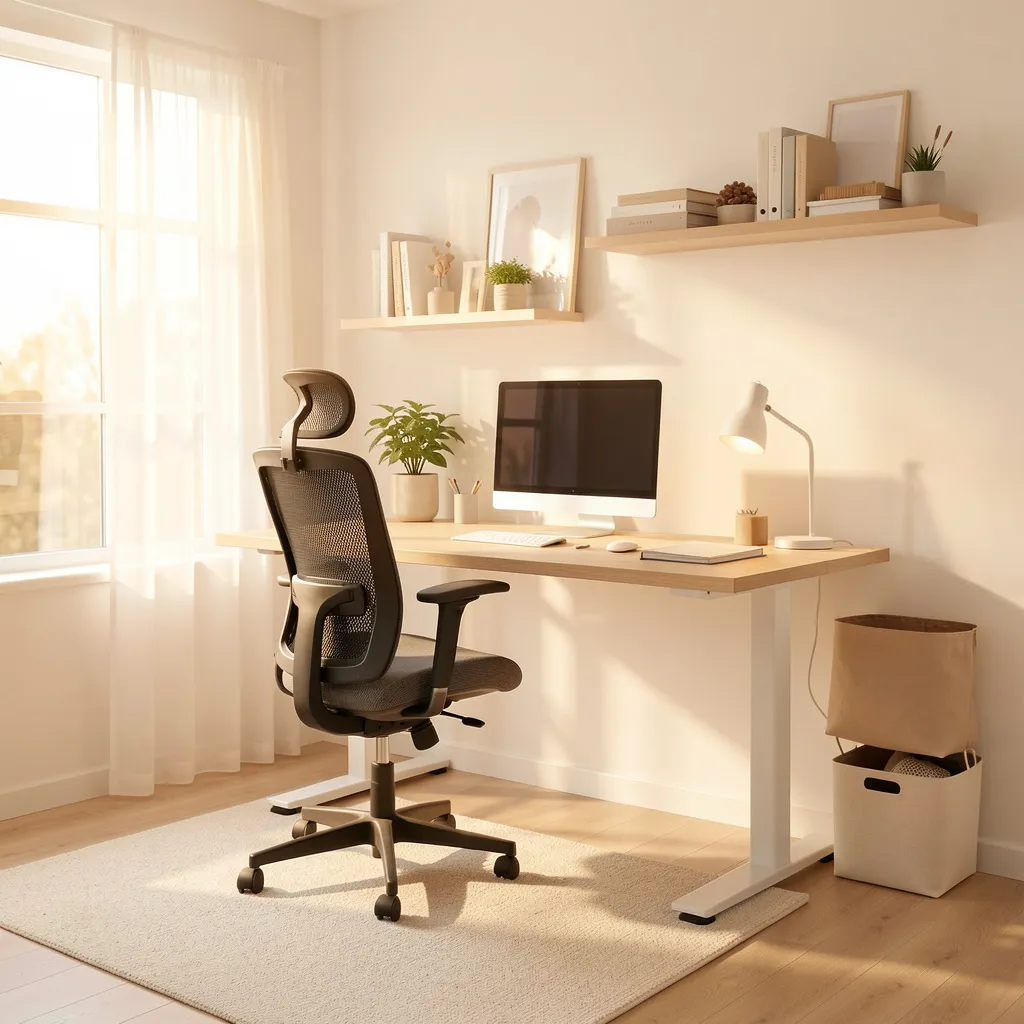
Positioning workstations to take advantage of natural light supports circadian rhythms and reduces eye strain. Window placement and desk orientation matter significantly.

Clean modern office design

Task Lighting

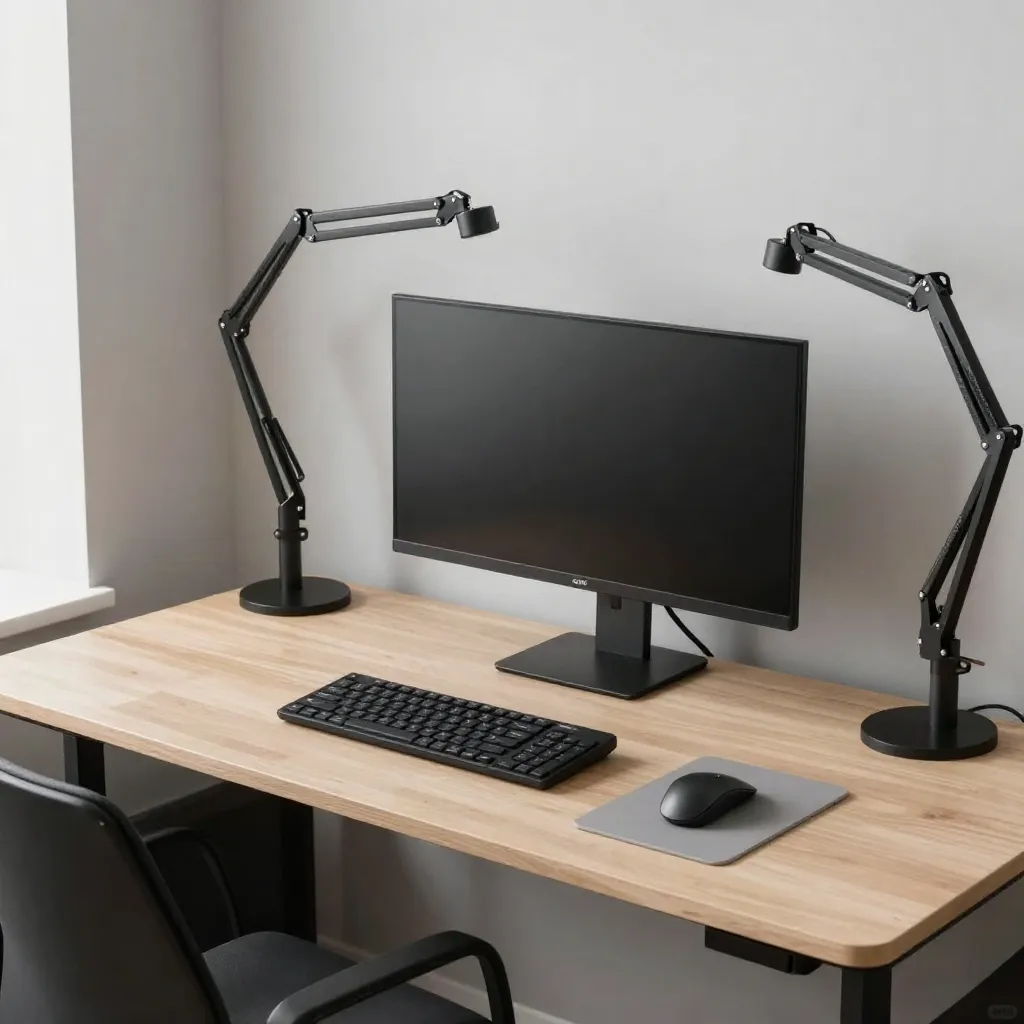
Supplemental lighting solutions provide focused illumination where needed. Adjustable desk lamps and ambient fixtures create balanced lighting environments.

Technology Integration

Optimized L-shaped layout

Cable Management

Organizing cables and technology components maintains visual clarity and reduces clutter. Under-desk solutions and cable routing systems keep workspaces tidy.

Ergonomic sit-stand workspace

Device Positioning

Placing monitors, keyboards, and accessories at appropriate heights and distances supports comfortable interaction. Monitor arms and adjustable stands offer flexibility.

Personalization Approaches

Personal workspace customization

Individual Preferences

Every workspace should reflect individual preferences and work patterns. Personal touches, from plant selections to accessory choices, make environments feel inviting and inspiring.

Custom workspace design

Work Pattern Adaptation

Understanding your daily work routines helps inform workspace design decisions. Flexible layouts accommodate different activities throughout the day.

Workspace Planning

Workspace planning process

Assessment Process

Evaluating your current setup and identifying improvement opportunities is the first step. Consider available space, existing furniture, and daily work requirements.

Layout optimization

Implementation Strategy

Gradual changes often work better than complete overhauls. Prioritize adjustments that provide immediate comfort improvements, then build from there.

Workspace solutions

Ongoing Refinement

Workspace needs evolve over time. Regular evaluation and small adjustments help maintain optimal comfort and functionality as your work patterns change.

Getting Started

Ready to improve your workspace? Explore our guides, style options, and product recommendations to begin creating a more comfortable and productive environment.

Privacy Notice

We use cookies and similar technologies to enhance your browsing experience and analyze site traffic. By continuing to use this site, you consent to our use of cookies.